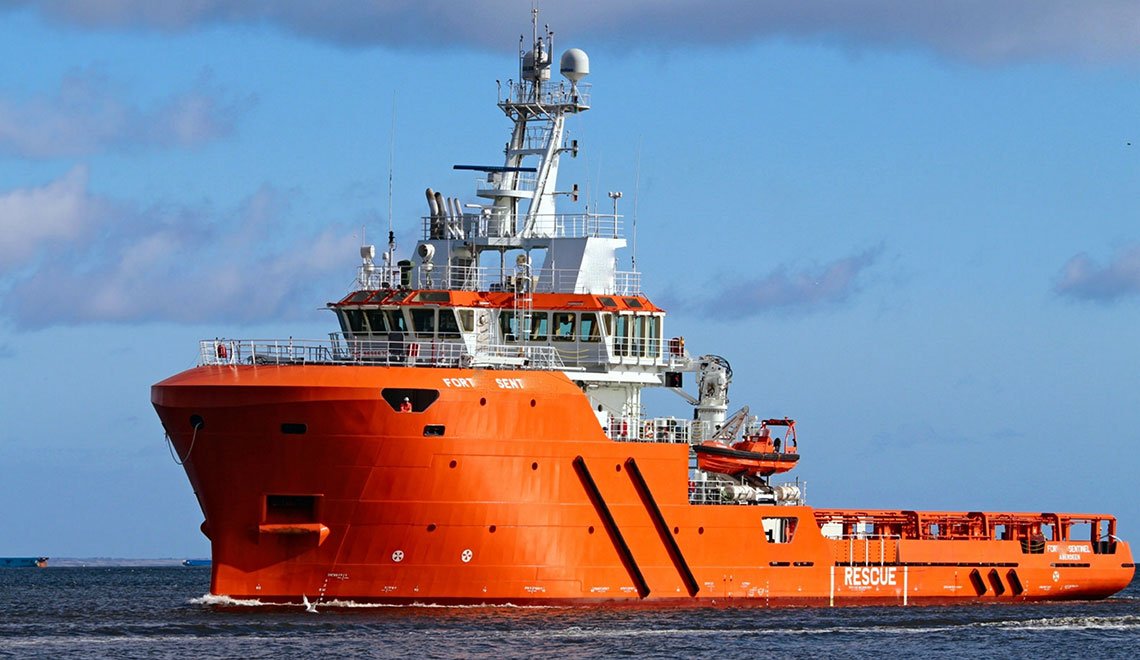
A psv vessel may not be as visible as an offshore platform, but it is essential to the platform’s daily operation. For readers of techidemics.org, the PSV is a strong example of specialized engineering built around logistics, safety, and reliability.
PSV means Platform Supply Vessel. Sirius Design & Integration explains that these vessels supply offshore oil and gas platforms with equipment, pipes, cement, food, water, and personnel. In practice, a PSV is a floating supply chain. It connects shore bases with offshore installations and keeps work moving in difficult marine environments.
The Role of a PSV Vessel
Offshore platforms cannot operate without steady support. Materials need to be transported, waste may need to be removed, crews need supplies, and equipment must arrive on schedule. A PSV is designed to handle these tasks with the safety and flexibility required offshore.
The open deck is used for containers, pipes, and heavy equipment. Below-deck systems may carry liquids, fuel, drilling fluids, fresh water, or dry bulk materials. The vessel’s layout must allow loading, transport, and unloading to happen efficiently while protecting crews and cargo.
Designing for Harsh Offshore Conditions
A PSV vessel works in open sea conditions where weather can be demanding. Waves, wind, and limited visibility can make platform approaches difficult. The vessel therefore needs strong seakeeping ability, reliable propulsion, advanced navigation, and safety systems.
Dynamic positioning can be especially useful because it helps the vessel hold station near an offshore installation. This reduces risk during cargo operations and improves control when the vessel must operate close to valuable infrastructure.
Read Also: Tech!Espresso Calgary & Edmonton: Trusted Same Day Tech Support Services
Cargo Flexibility
One reason PSV vessels are so valuable is their flexibility. Offshore operations rarely require the same cargo every trip. One voyage may involve pipes and containers; another may involve bulk materials, fuel, water, and technical equipment. The vessel must be ready for changing needs.
Designers achieve this through strong deck capacity, practical cargo securing points, efficient tank arrangements, and systems that allow different materials to be handled safely. A flexible PSV helps operators respond quickly as offshore work changes.
Safety and Crew Workflow
Safety is a central part of PSV design. Deck operations can involve heavy loads, moving equipment, slippery surfaces, and rough seas. Clear sightlines, safe access routes, good lighting, and logical equipment placement all reduce risk.
Crew workflow also matters. If the vessel is easy to operate and maintain, tasks can be completed with fewer delays. A practical layout supports better communication between bridge, deck, and engine room teams.
Efficiency and Environmental Needs
Modern offshore operators want supply vessels that use less fuel and create fewer emissions. Efficient hull design, optimized propulsion, hybrid systems, and smart power management can all improve performance. These choices reduce operating costs and support environmental goals.
A PSV built only for capacity may miss these benefits. A modern design balances cargo capability with efficient operation and long-term value.
Conclusion
A PSV vessel is essential because offshore energy depends on reliable movement of people, equipment, and supplies. Good design makes that movement safer, more flexible, and more efficient. As offshore operations continue to evolve, PSV vessels will remain a critical link between shore-based planning and offshore performance.