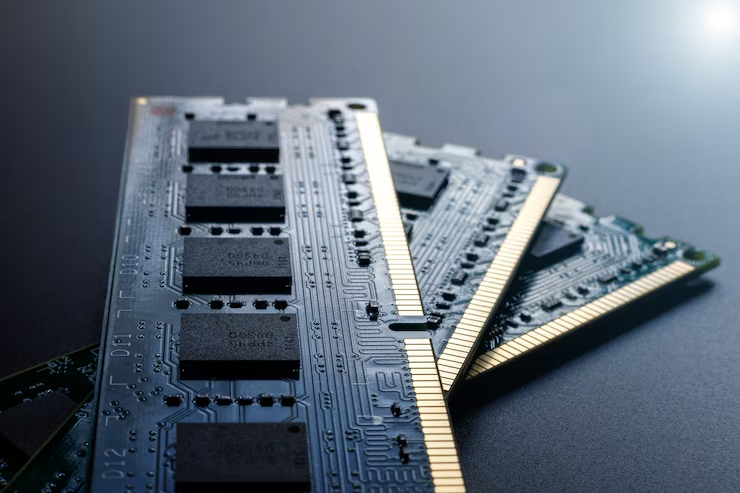
Artificial intelligence, cloud computing, and large-scale data processing are transforming the way organisations build and manage IT infrastructure. As workloads become more demanding, memory performance has become just as important as processing power and storage. Businesses looking to improve system efficiency are paying closer attention to data center memory solutions that can support faster data access, reliable performance, and future scalability. At Ram Exchange, businesses can find enterprise memory products designed to help modern data centres meet growing performance expectations while maintaining long-term reliability. As organisations continue adopting AI-driven technologies, selecting the right memory strategy has become an essential part of infrastructure planning.
Why Memory Has Become a Critical Part of Modern Data Centres
Data centres no longer support only traditional business applications. They now power cloud services, virtual environments, machine learning platforms, analytics, and high-performance computing. Each of these workloads depends heavily on fast and efficient memory. Modern servers constantly process large amounts of information, making memory one of the biggest factors affecting system responsiveness. Even the most advanced processors cannot perform efficiently if memory cannot deliver data quickly enough.
Today’s infrastructure requires memory that can:
- Handle increasing workload complexity
- Maintain consistent performance under heavy demand
- Support multiple virtual machines simultaneously
- Improve application responsiveness
- Enable future hardware expansion
As digital transformation continues across industries, memory has become a strategic investment rather than simply another hardware component.
See also: Should You Choose a Luxury or Budget Dog Bed for Better Value?
The Growing Impact of AI on Enterprise Infrastructure
Artificial intelligence applications process enormous datasets while performing complex calculations in real time. Unlike traditional software, AI models require frequent access to large amounts of data stored in memory. Whether businesses are training models or running AI-powered applications, memory bandwidth directly influences overall performance.
Common AI workloads include:
- Natural language processing
- Predictive analytics
- Image recognition
- Financial modelling
- Business intelligence
- Scientific research
Each of these applications benefits from higher-capacity, enterprise-grade memory that reduces bottlenecks and improves processing efficiency.
Understanding Enterprise Memory Requirements
Choosing memory for a personal computer differs greatly from selecting memory for enterprise servers. Data centres operate continuously while supporting thousands of users and business-critical applications.
Enterprise memory must deliver:
Reliability
Servers cannot afford unexpected downtime. Enterprise memory includes advanced features that help maintain system stability even under demanding workloads.
Scalability
Business growth often requires infrastructure expansion. Memory solutions should allow organisations to increase capacity without replacing their existing systems.
Compatibility
Servers use specific memory technologies that must work seamlessly with processors, motherboards, and operating systems.
Performance
Higher memory bandwidth improves application responsiveness while reducing delays caused by heavy workloads.
Why DDR5 Memory Is Receiving So Much Attention
One of the biggest trends in enterprise computing is the widespread adoption of DDR5 memory technology. As newer servers become available, organisations are increasingly upgrading to benefit from improved performance and greater efficiency.
Compared with previous generations, DDR5 offers several advantages.
- Higher memory bandwidth
- Improved power efficiency
- Increased module capacities
- Better support for multi-core processors
- Enhanced scalability for future workloads
These improvements make DDR5 particularly valuable for cloud computing, AI applications, and virtualised environments where large amounts of data move continuously through memory.
Supporting Cloud Infrastructure with Better Memory
Cloud environments place unique demands on server hardware. Multiple users, virtual machines, and applications often share the same physical resources. When memory performance declines, every hosted service can be affected.
Businesses operating cloud infrastructure benefit from memory that supports:
- Faster virtual machine deployment
- Improved application responsiveness
- Higher workload density
- Better resource utilisation
- Consistent user experiences
Reliable memory contributes to smoother cloud operations while helping organisations maximise hardware efficiency.
How Memory Influences Virtualisation Performance
Virtualisation allows organisations to run multiple operating systems and applications on a single physical server. While this improves resource utilisation, it also increases pressure on memory resources. Each virtual machine consumes memory independently, making capacity planning essential.
Adequate enterprise memory helps organisations:
- Run more virtual machines simultaneously
- Reduce performance bottlenecks
- Improve workload balancing
- Increase server utilisation
- Support business continuity
Many infrastructure teams working with Ram Exchange focus on selecting memory configurations that align with long-term virtualisation strategies rather than simply meeting immediate requirements.
The Importance of Memory Compatibility
Not every memory module works with every server platform. Compatibility remains one of the most important considerations during infrastructure upgrades.
Before purchasing enterprise memory, organisations should evaluate:
- Processor generation
- Motherboard compatibility
- Supported memory speeds
- Maximum capacity
- ECC requirements
- Server manufacturer specifications
Selecting compatible memory reduces deployment issues and helps maintain optimal system stability.
ECC Memory and Why It Matters
Enterprise servers often use Error Correcting Code, commonly called ECC memory. Unlike standard memory, ECC automatically detects and corrects certain types of data errors before they affect applications. This capability is especially valuable for environments handling sensitive information, financial transactions, research data, or AI workloads where accuracy is essential.
Benefits include:
- Improved system stability
- Greater data integrity
- Reduced risk of unexpected crashes
- Higher operational reliability
- Better support for continuous workloads
For mission-critical environments, ECC memory has become a standard requirement rather than an optional feature.
Planning for Future Infrastructure Growth
Technology evolves rapidly, making infrastructure planning increasingly important. Instead of selecting memory based only on current usage, organisations should also consider expected future demands.
Questions worth evaluating include:
- Will AI workloads continue expanding?
- Is cloud adoption increasing?
- Will more employees rely on virtual desktop infrastructure?
- Are larger databases expected?
- Will analytics platforms process greater volumes of information?
Answering these questions helps businesses make smarter infrastructure decisions that remain effective as technology requirements change.
Choosing a Trusted Enterprise Memory Partner
Reliable hardware sourcing plays an important role in maintaining data centre performance.
Businesses often look for suppliers that offer:
- Enterprise-grade memory products
- Broad compatibility options
- Product authenticity
- Technical expertise
- Ongoing customer support
Working with experienced providers helps organisations avoid compatibility challenges while ensuring systems continue operating efficiently. Ram Exchange supports businesses with enterprise memory options designed for modern server environments and evolving infrastructure needs.
Sustainability Through Smarter Hardware Decisions
Sustainability is becoming an important consideration in enterprise IT planning. Improving existing infrastructure with suitable memory upgrades can help organisations maximise the value of current hardware while improving operational efficiency.
Benefits may include:
- Better resource utilisation
- Lower unnecessary hardware replacement
- Improved server efficiency
- Reduced electronic waste
- Extended infrastructure value
These improvements support both operational objectives and broader environmental goals.
Preparing for the Next Generation of Computing
Emerging technologies continue reshaping enterprise computing. Artificial intelligence, edge computing, advanced analytics, and increasingly connected digital services will continue placing greater demands on server memory.
Businesses that invest in scalable infrastructure today position themselves to adapt more effectively as technology evolves. mModern memory strategies are no longer simply about increasing capacity. They involve balancing performance, compatibility, reliability, and future flexibility to create infrastructure capable of supporting changing business priorities.
Conclusion
Enterprise computing continues evolving as organisations adopt AI, cloud platforms, virtualisation, and advanced analytics. Memory has become one of the most influential components in determining overall system performance, making careful planning essential for any modern data centre. Choosing enterprise-grade memory that delivers reliability, compatibility, and scalability helps businesses build infrastructure prepared for future innovation. Whether expanding existing environments or supporting new digital initiatives, working with experienced providers such as Ram Exchange helps organisations make informed technology decisions. Contact us today to learn more about enterprise memory solutions that support long-term business growth and reliable performance.