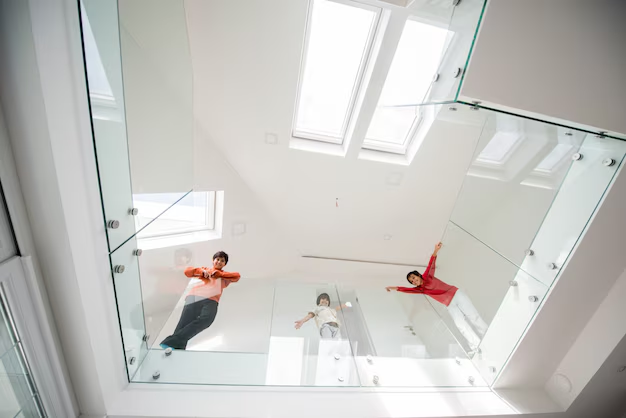
Natural daylight can make a noticeable difference to the comfort and appearance of a property. Rooflights provide an effective way to brighten interiors, particularly in rooms where traditional windows offer limited coverage. Homeowners planning a roof renovation or extension often compare polycarbonate and glass options before making a decision. Products such as fixed skylights for pitched roof installations offer another way to introduce daylight while maintaining a clean roofline. With options from Skylights Roof Lanterns, property owners can explore different roof glazing materials and designs to find an option that suits their building.
Understanding the Difference Between Polycarbonate and Glass Rooflights
Polycarbonate and glass are two commonly used materials for roof glazing, but they have different characteristics.
Polycarbonate is a lightweight thermoplastic material known for its impact resistance and flexibility. It is available in different thicknesses, colours, and finishes, making it suitable for various roofing applications. Its lower weight can also make handling and installation more manageable.
Glass rooflights, on the other hand, offer a traditional architectural appearance with excellent optical clarity. They are available in several specifications, including double-glazed and triple-glazed units, as well as toughened and laminated safety glass.
Both materials can provide natural daylight, but their performance depends on the product specification, installation quality, and building requirements.
See also: Aluminum Frame Glass Doors for Modern Homes: Benefits, Styles, and Design Ideas
Strength and Durability: Which Material Performs Better?
Durability is an important consideration for any roof installation because the glazing remains exposed to changing weather conditions throughout the year.
Polycarbonate has strong impact resistance compared with ordinary glass. It can withstand many everyday impacts, making it useful in locations exposed to hail or falling debris. Its flexibility also helps it absorb certain impacts without breaking in the same way as conventional glass.
Glass rooflights are generally manufactured using safety glazing designed for overhead applications. Toughened glass offers increased resistance to impact and thermal stress, while laminated glass is designed to retain fragments if the glass breaks.
The choice depends on the environment and the level of protection required. For properties exposed to demanding weather, the manufacturer’s impact ratings and installation recommendations should guide the decision.
Natural Light and Visual Appearance
The primary purpose of a rooflight is to introduce daylight into a building. Both materials can achieve this, although the quality of incoming light varies according to their finish and construction.
Clear glass provides excellent visibility and allows homeowners to enjoy an unobstructed view of the sky. It is particularly suitable for living rooms, kitchen extensions, and spaces where a refined architectural appearance is desired.
Polycarbonate rooflights are also available in clear finishes, along with opal and tinted options. Opal glazing diffuses incoming sunlight, creating softer illumination that can reduce harsh glare. This can be useful in rooms that receive strong direct sunlight during certain parts of the day.
The amount of daylight entering a room depends on more than the glazing material. Roof orientation, surrounding buildings, rooflight dimensions, and glazing specifications all influence the final result.
Thermal Efficiency and Indoor Comfort
Roof glazing can influence indoor temperatures, particularly during summer and winter. A suitable specification helps maintain comfortable conditions while allowing natural light to enter.
Glass rooflights are available with advanced double and triple glazing, low-emissivity coatings, and insulated cavity designs. These features can reduce heat transfer and improve overall thermal performance.
Polycarbonate products also vary in thermal efficiency. Multiwall polycarbonate sheets contain internal air spaces that provide insulation, while solid polycarbonate products have different thermal characteristics.
For homeowners concerned about heating costs and indoor comfort, comparing the U-values of complete rooflight systems is more useful than comparing materials alone. A lower U-value generally indicates better insulation.
Condensation control should also be considered. Proper ventilation, suitable installation details, and effective sealing help reduce moisture-related problems around roof glazing.
Installation and Structural Requirements
The weight of the glazing material can influence the installation process and supporting structure.
Polycarbonate is considerably lighter than glass in many comparable applications. This can reduce handling difficulties and may place fewer demands on supporting components, although the roof structure must still be designed for the complete installation and local weather loads.
Glass rooflights are heavier and may require stronger supporting frames. Their installation often involves careful handling, accurate measurements, and suitable lifting equipment, particularly for larger units.
Roof pitch is another important factor. A rooflight designed for a flat roof may not be suitable for a pitched roof. Homeowners should select products specifically manufactured for the intended roof angle and check the manufacturer’s guidance regarding flashing, drainage, and weatherproofing.
Professional installation helps ensure that the rooflight fits correctly and protects the surrounding roof from water ingress.
Maintenance and Long-Term Appearance
Maintenance requirements can differ between polycarbonate and glass.
Polycarbonate surfaces can develop scratches if cleaned with abrasive materials. Some products may also experience discolouration over time due to prolonged exposure to ultraviolet radiation. UV-protected polycarbonate can help reduce this risk, depending on the product specification.
Glass generally resists scratching better than polycarbonate and maintains its clarity over many years when properly maintained. However, dirt, watermarks, and external deposits can still affect its appearance.
A simple maintenance routine should include:
- Cleaning the external surface with suitable non-abrasive products.
- Removing leaves and debris from surrounding roof areas.
- Checking seals and flashing for signs of deterioration.
- Inspecting frames and fixings periodically.
- Following the manufacturer’s cleaning and maintenance instructions.
Regular inspections can help identify minor problems before they develop into costly repairs.
Comparing the Costs of Both Options
Budget is another consideration during a roof renovation or extension project. Polycarbonate rooflights are often more affordable than comparable glass systems, particularly for straightforward installations.
Their lighter weight may also reduce some handling and structural requirements. However, the final cost depends on dimensions, thickness, glazing type, framing, and installation complexity.
Glass rooflights can involve higher initial costs, especially when using specialist glazing, insulated units, or custom-sized designs. Their appearance, optical clarity, and range of thermal specifications may justify the additional investment for certain properties.
Homeowners should compare the complete project cost rather than focusing only on the price of the glazing panel. Installation, supporting structures, insulation, and long-term maintenance all contribute to the overall expense.
Which Rooflight Is Right for Your Property?
The right option depends on the building, available budget, and intended use of the space.
Polycarbonate may suit projects where lightweight construction, impact resistance, and cost considerations are priorities. It can be a practical choice for suitable residential extensions, garages, and utility spaces.
Glass may be preferable for living areas and architectural projects where clear views, refined finishes, and advanced insulated glazing are important.
Consider these factors before making a decision:
- For budget-conscious projects: Compare suitable polycarbonate options and their expected lifespan.
- For clear sky views: Consider glass rooflights with appropriate safety glazing.
- For thermal performance: Compare the U-values of complete products.
- For exposed locations: Review impact resistance and weather performance ratings.
- For pitched roofs: Choose a rooflight specifically designed for the roof angle and installation conditions.
A professional assessment can help identify the most suitable product without compromising structural safety or weather protection.
Make a Well-Informed Choice for Your Roof
Polycarbonate and glass rooflights both offer useful ways to bring natural daylight into a property. The difference lies in their weight, appearance, impact resistance, insulation options, maintenance requirements, and overall cost. A carefully selected rooflight should complement the building’s design while meeting its practical requirements.
Skylights Roof Lanterns offers homeowners an opportunity to explore roof glazing options for different property styles and requirements. Before choosing a product, consider the roof structure, desired light levels, and long-term performance expectations. For guidance on selecting suitable rooflights for your next project, contact us today and discuss the available options for your property.