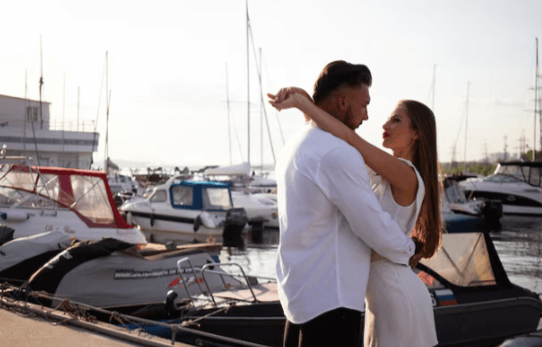
Purchasing a yacht is a significant investment that involves more than selecting an attractive vessel. Buyers need to consider size, performance, maintenance, ownership costs, and intended use before making a commitment. Exploring Yacht Sales in Palm Beach gives prospective owners access to a variety of vessels suited to different boating preferences. With guidance from Offshore Yacht Group, buyers can review available options and make informed decisions based on their requirements and budget.
Understand Your Boating Requirements
Before browsing yacht listings, identify how you plan to use your vessel. Some buyers prefer weekend cruises along the Florida coastline, while others want a yacht suitable for extended trips, entertaining guests, or spending time offshore.
Your intended activities will influence the type of yacht worth considering. A motor yacht may appeal to buyers who value speed, comfortable accommodation, and onboard amenities. A sportfishing yacht is designed for fishing enthusiasts who need specialized equipment, deck space, and reliable performance. Sailing yachts offer a different experience for owners who enjoy wind-powered travel.
Consider the number of people who will regularly join you, the distance you expect to travel, and the facilities you want onboard. These details can help narrow your choices before you begin comparing individual vessels.
Set a Realistic Yacht Buying Budget
The purchase price is only one part of yacht ownership. Buyers should prepare for ongoing expenses that can vary depending on the vessel’s size, age, condition, and usage.
Common ownership costs include:
- Insurance: Premiums depend on the yacht’s value, location, usage, and coverage requirements.
- Dockage: Marina fees vary according to vessel length, location, and available facilities.
- Maintenance: Engines, electrical systems, plumbing, and onboard equipment require regular servicing.
- Fuel: Consumption depends on engine type, cruising speed, distance, and operating conditions.
- Storage: Indoor storage, outdoor storage, and marina arrangements have different costs.
- Crew expenses: Larger yachts may require professional captains and additional crew members.
Buyers should also reserve funds for unexpected repairs and equipment replacements. A realistic budget makes it easier to choose a yacht that remains affordable after the purchase is complete.
Choose the Right Yacht Size and Layout
Yacht size affects comfort, handling, storage, operating expenses, and marina requirements. A smaller yacht may be easier to operate and maintain, while a larger vessel generally offers more accommodation and entertainment space.
Pay attention to the interior layout rather than focusing entirely on exterior appearance. Examine the number of cabins, bathrooms, kitchen facilities, seating areas, and storage compartments. Buyers who plan to host guests frequently may prefer spacious salons and outdoor entertainment areas.
The helm arrangement also deserves attention. Check visibility, seating comfort, navigation equipment, and access to essential controls. Spend time walking through the vessel to determine whether its layout suits your daily needs.
Inspect the Yacht’s Condition and Maintenance History
A yacht can look impressive in photographs while hiding mechanical or structural problems. A thorough inspection helps identify potential expenses before the purchase agreement is finalized.
Start by examining the hull for cracks, blistering, repairs, or signs of impact damage. Check the deck, railings, windows, doors, and exterior fittings for wear. Inside the vessel, inspect upholstery, flooring, cabinetry, plumbing, and electrical components.
Engine condition requires particular attention. Review maintenance records, service invoices, engine hours, and details of previous repairs. Look for corrosion, fluid leaks, damaged hoses, and unusual engine noise.
Hiring an independent marine surveyor is a sensible step, particularly for a high-value purchase. A professional survey can identify defects, assess the vessel’s condition, and provide information that may influence negotiations. A qualified marine mechanic can also conduct a separate engine inspection.
Review Documentation Before Signing
Ownership documents and vessel records should be checked carefully before transferring funds. Buyers should verify that the seller has the legal authority to sell the yacht and that the vessel’s identification details match the available paperwork.
Request the following documents:
- Proof of ownership or applicable title documents.
- Vessel registration and identification details.
- Records of maintenance and major repairs.
- Previous marine survey reports, if available.
- Documentation for installed equipment and upgrades.
- Information about outstanding liens or financial obligations.
For documented vessels, buyers should review the relevant U.S. Coast Guard documentation and applicable transfer requirements. It is also sensible to consult a maritime attorney or qualified closing professional for assistance with the transaction.
Take the Yacht for a Sea Trial
A sea trial allows buyers to assess how a yacht performs under actual operating conditions. A dockside inspection cannot reveal every issue related to handling, engine performance, or onboard systems.
During the trial, observe how the yacht starts, accelerates, steers, and responds to changes in speed. Listen for unusual vibrations or mechanical sounds. Monitor engine temperature, oil pressure, and other relevant gauges.
Test the navigation systems, steering controls, communication equipment, air conditioning, generators, and other major onboard features. Pay attention to passenger comfort and visibility from the helm.
The sea trial should take place under suitable conditions and with an experienced operator. Any unexpected performance issues should be investigated before proceeding with the purchase.
Consider Marina Access and Local Boating Conditions
Palm Beach offers access to coastal cruising, fishing areas, and routes throughout South Florida. However, buyers should consider their preferred boating locations before selecting a vessel.
Check the yacht’s draft, beam, height, and overall length against the marina facilities you expect to use. Bridge clearances, channel depths, dock availability, and navigation conditions can affect where a particular yacht can operate.
Marina availability should also be confirmed before purchasing. Some facilities have waiting lists or specific requirements regarding vessel dimensions, insurance, and ownership documentation.
A yacht that suits your preferred cruising routes and available docking arrangements will be easier to enjoy and manage.
See also: Building Smarter Businesses Through Operational Intelligence
Work With Experienced Yacht Professionals
Purchasing a yacht involves several decisions that can benefit from professional guidance. Experienced yacht brokers can help buyers compare vessels, review listings, arrange viewings, and understand the purchasing process.
A knowledgeable broker can also help coordinate negotiations, inspections, sea trials, and closing arrangements. Buyers should communicate their budget, preferred yacht type, intended use, and essential features clearly.
Offshore Yacht Group can be a resource for buyers exploring yacht ownership in the Palm Beach market. Taking time to discuss your requirements and compare available vessels can make the selection process more organized and productive.
Make a Purchase That Fits Your Lifestyle
Owning a yacht offers opportunities for coastal travel, fishing, entertaining, and spending time on the water. The right purchase begins with a clear understanding of your needs and a willingness to examine every important detail before committing financially.
Avoid rushing into a decision based solely on appearance or asking price. Review the vessel’s condition, operating expenses, documentation, and performance before signing the agreement. For assistance exploring available yachts and discussing your purchasing requirements, contact us today. A carefully evaluated purchase can provide years of enjoyable boating experiences along the Palm Beach coastline.