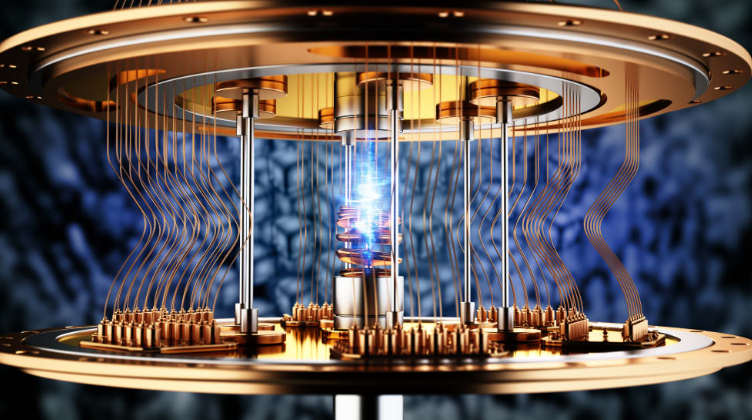
Quantum computing represents a significant shift in how we understand and utilize technology. By leveraging qubits, these advanced machines can tackle complex problems at unprecedented speeds. This capability has implications for various sectors, including healthcare and cybersecurity. However, as the technology matures, questions arise about its broader impact and potential applications. Understanding these dynamics is crucial as we stand on the brink of a new technological era. What might this mean for our future?
What Is Quantum Computing?
At its core, quantum computing represents a revolutionary shift in how information is processed.
Unlike classical bits, which represent data as either 0 or 1, quantum bits, or qubits, can exist in multiple states simultaneously.
This unique property enables quantum computers to perform complex calculations at unprecedented speeds, offering the potential to solve problems that were previously thought impossible, thereby expanding the horizons of technological freedom.
See also: techidemics
How Does Quantum Computing Work?
How does quantum computing harness the principles of quantum mechanics to process information?
It utilizes quantum bits, or qubits, which can exist in multiple states simultaneously due to superposition principles. This allows quantum computers to perform complex calculations at unprecedented speeds, exploring numerous possibilities at once, unlike classical computers that process information sequentially.
Consequently, quantum computing presents a revolutionary approach to problem-solving and data analysis.
Potential Applications of Quantum Computing
The potential applications of quantum computing span a wide range of fields, promising to transform industries and enhance capabilities in ways previously deemed impossible.
Notably, quantum encryption offers unprecedented security for digital communications, protecting sensitive data from cyber threats.
Additionally, in drug discovery, quantum computing can analyze complex molecular interactions, accelerating the development of new medications and therapies, ultimately saving lives and resources.
The Future of Quantum Computing and Its Impact
As advancements in quantum computing continue to unfold, its potential to reshape various sectors becomes increasingly evident.
Achieving quantum supremacy could ignite a technological revolution, enhancing capabilities in fields such as cryptography, medicine, and artificial intelligence.
With the ability to solve complex problems at unprecedented speeds, quantum computing may empower individuals and organizations, fostering innovation and freedom in a rapidly evolving digital landscape.
Conclusion
In conclusion, quantum computing represents a transformative leap in technology, with the potential to solve problems that are currently insurmountable for classical computers. Notably, it is estimated that quantum computers could outperform traditional supercomputers by a factor of one million or more in specific tasks. As researchers continue to unlock the capabilities of qubits, the implications for industries such as cryptography, medicine, and artificial intelligence could be profound, shaping a future that redefines our approach to complex challenges.