Dental anxiety often prevents patients from seeking timely oral care. New uses of virtual reality in dentistry are helping individuals manage fear and discomfort during dental visits. By altering the sensory environment of the dental clinic, this technology may provide more positive experiences for those who feel anxious about procedures.
Fear of dental procedures affects many people and can result in delayed appointments and untreated oral health problems. Norwich dental practice, for example, observes that technology is increasingly used to help patients feel more at ease during dental procedures. As digital tools become more established in dental care, the potential for improving patient comfort is increasing. Understanding the role of innovations like virtual reality in reducing anxiety is an important area in patient-focused dental practice.
Understanding virtual reality systems in dental care
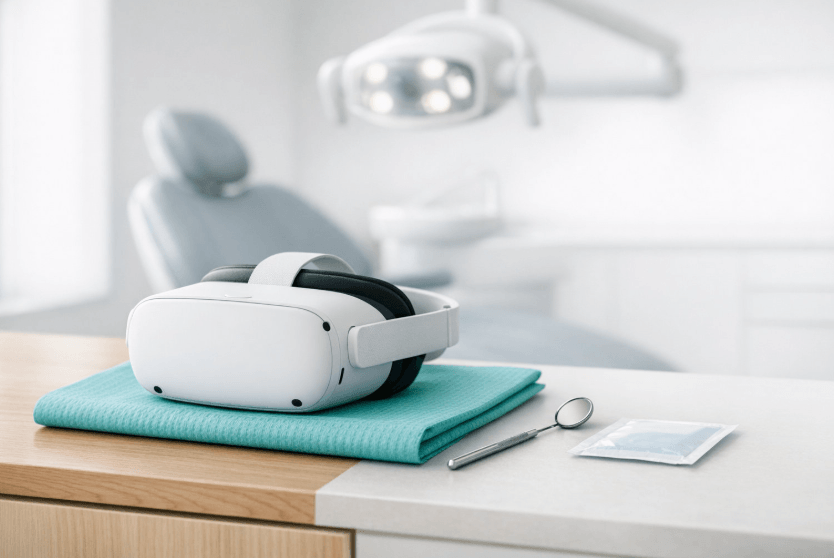
Virtual reality systems for dentistry typically include headsets that immerse patients in three-dimensional visual and audio environments. When a patient uses a modern VR headset, it replaces the sights and sounds of the clinic with scenes designed to occupy attention or provide comfort.
Dental practices may use VR in several ways. Some systems offer distraction with engaging experiences such as virtual nature walks or calm underwater worlds. Others provide guided relaxation sessions, using audio-visual cues supporting breathing and mindfulness. Recently, some clinics have used gradual exposure environments to help anxious patients become more at ease with dental care over time. These approaches are tailored to each patient’s needs during their visit.
The technology behind dental VR systems has advanced considerably in recent years, with lighter headsets and improved visual quality making the experience more comfortable for patients. Modern devices can track head movements and adjust the virtual environment accordingly, creating a more realistic sense of presence. Some dental practices now offer wireless VR headsets that allow patients to move their heads naturally during treatment without being tethered to equipment. The content libraries available to dental clinics continue to expand, ranging from peaceful natural landscapes to interactive games that can hold attention throughout longer procedures. As the technology becomes more affordable, an increasing number of dental practices are considering VR as a standard option for anxious patients.
Cognitive and emotional mechanisms behind VR benefits
By occupying a patient’s senses, VR can help redirect attention away from potentially uncomfortable sensations or sounds during treatment. This sensory focus may lead to reduced perceived pain, as the brain is less concentrated on the dental work and more on the virtual experience.
Virtual reality may also support the reduction of stress by encouraging relaxation of muscles, slowing breathing, and lowering anxiety levels. Some studies indicate that better anxiety management can contribute to more efficient appointments with fewer interruptions. Many VR systems also provide a variety of audio programmes intended to enhance relaxation or guide mindfulness during the dental visit.
Integrating VR tools at different stages of treatment
Virtual reality is used in dental practices during procedures that are routine but known to provoke anxiety, such as cleanings, longer restorative sessions, or injections. Patients sometimes benefit from engaging with VR environments while waiting for their appointment, which can help to reduce nerves before entering the treatment room.
However, VR may not be suitable when direct communication is required between patient and dental staff, such as when discussing consent or giving important instructions. Dental teams remove headsets as needed to ensure that patients can hear and respond appropriately before, during, or after a procedure.
See also: How Visual Storytelling Is Transforming Tech Content: The Power of Collages in Digital Communication
Practical considerations and future directions for VR dentistry
Comfort is a priority when dental practices introduce VR tools. Some individuals might feel claustrophobic, experience motion sickness, or have sensory sensitivities, so careful selection of headset type and digital content is necessary. Solutions are being developed for children and patients with different needs, offering customisable experiences to ensure suitability.
Hygiene is also key, and strict cleaning protocols are followed for each headset between uses in the dental clinic. Staff are trained in device care, selecting content, and obtaining patient consent so that VR is a supportive measure alongside traditional comfort techniques. Content libraries include various calming environments and guided breathing activities, helping to meet the preferences and sensitivities of different dental patients.