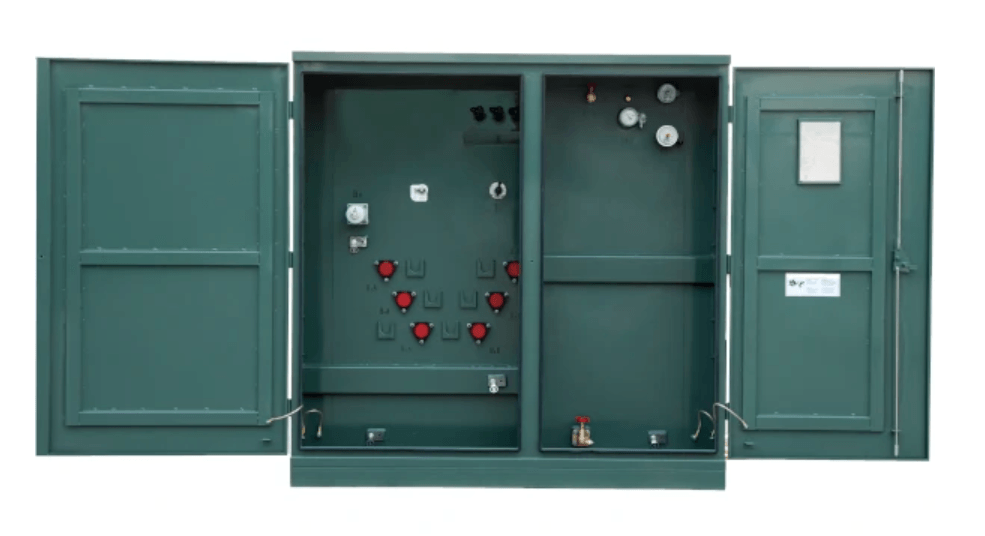
A ground transformer plays a critical role in modern electrical power systems by providing a controlled path for fault currents and stabilizing system voltages. In industrial and commercial environments where electrical reliability and safety are essential, grounding systems are not optional but fundamental to operational continuity. A ground transformer is specifically designed to create a neutral point in systems where one does not naturally exist, allowing for effective grounding and improved fault management.
In many power distribution networks, especially three phase systems, ungrounded or weakly grounded configurations can lead to unstable voltage conditions and increased risk of equipment damage. The ground transformer addresses these challenges by establishing a stable reference to earth, which enhances system protection and supports consistent performance across electrical infrastructure. Its use is widespread across manufacturing plants, commercial buildings, utility networks, and renewable energy installations where safe and reliable power distribution is required.
Understanding how a ground transformer functions and where it is applied helps industries design safer, more resilient electrical systems that minimize downtime and improve overall efficiency.
What is a Ground Transformer
A ground transformer is a specially designed transformer used to create a neutral point in an electrical system that does not naturally have one. This neutral point is then connected to the earth, allowing fault currents to safely dissipate.
In three phase systems, especially delta configurations, there is often no direct path to ground. This can make fault detection difficult and increase the risk of overvoltage conditions during line to ground faults. A ground transformer resolves this issue by simulating a neutral point.
Common types of grounding transformers include zig zag configurations and wye delta setups. These designs help distribute fault currents evenly while maintaining system stability.
How a Ground Transformer Works
The operating principle of a ground transformer is based on creating a low impedance path for zero sequence currents. When a line to ground fault occurs, the transformer provides a return path for the fault current, ensuring protective devices can detect and isolate the issue quickly.
In a typical configuration, the transformer is connected to the system without carrying continuous load current. Instead, it remains idle during normal operation and activates only during fault conditions.
Key operational characteristics include:
- Creation of a stable neutral point in ungrounded systems
- Controlled passage of fault currents to ground
- Support for protective relay coordination
- Reduction of transient overvoltages
By stabilizing the system during abnormal conditions, the ground transformer prevents cascading failures and reduces stress on electrical equipment.
Industrial Applications of Ground Transformers
Industrial environments rely heavily on continuous and stable power. Any interruption can lead to production losses, equipment damage, and safety hazards. Ground transformers are widely used in these environments to enhance system reliability.
Manufacturing Facilities
Manufacturing plants often operate large motors, automation systems, and heavy machinery. These loads can introduce electrical disturbances. A ground transformer helps manage fault conditions without shutting down entire production lines.
It is commonly used in:
- Steel production facilities
- Automotive manufacturing plants
- Chemical processing units
- Textile and packaging industries
By providing a controlled grounding path, it reduces downtime and protects sensitive control systems.
Mining and Heavy Industry
Mining operations typically use high voltage distribution systems that are isolated or resistance grounded. In such environments, fault detection is crucial for safety. Ground transformers help maintain system stability even in harsh electrical conditions.
They are particularly valuable in underground mining where safety risks are significantly higher due to confined environments and heavy electrical loads.
Oil and Gas Sector
The oil and gas industry depends on uninterrupted power for drilling, refining, and processing operations. Electrical faults in these environments can be extremely costly and dangerous.
Ground transformers are used to:
- Stabilize offshore platform power systems
- Protect pumping and compression stations
- Ensure safe grounding in explosive environments
Their ability to control fault currents helps maintain operational integrity in high risk zones.
Commercial Applications of Ground Transformers
Beyond industrial use, ground transformers are also widely implemented in commercial and institutional buildings where electrical safety and reliability are essential.
Commercial Buildings
Large commercial complexes such as malls, office towers, and hospitals require stable electrical distribution systems. Ground transformers help prevent voltage fluctuations that can affect lighting, HVAC systems, and elevators.
They are commonly installed in:
- High rise office buildings
- Shopping centers
- Hotels and resorts
- Data centers
In these environments, even minor electrical disturbances can lead to operational disruptions, making grounding systems essential.
Healthcare Facilities
Hospitals and medical centers rely on uninterrupted power for life saving equipment. Ground transformers help ensure that electrical faults do not escalate into system wide failures.
They support:
- Critical care equipment stability
- Emergency backup systems
- Surgical and diagnostic machinery protection
Reliable grounding improves patient safety by reducing the risk of electrical interference.
Educational and Institutional Campuses
Universities and research facilities often operate complex electrical systems with laboratories, computing centers, and residential buildings. Ground transformers help maintain consistent power quality across these diverse loads.
Benefits of Ground Transformers
The use of ground transformers offers several important advantages across both industrial and commercial environments.
- Improved system safety through controlled fault current paths
- Enhanced equipment protection from voltage surges
- Better fault detection and isolation
- Increased system stability in ungrounded networks
- Reduced risk of equipment failure and downtime
These benefits contribute to more reliable and efficient power distribution systems, especially in environments where electrical demand is high and continuous operation is critical.
Design Considerations for Ground Transformers
Selecting and implementing a ground transformer requires careful evaluation of system requirements. Engineers consider several factors to ensure proper performance and safety.
Key design considerations include:
- System voltage level and configuration
- Fault current magnitude expectations
- Transformer impedance and rating
- Cooling method and thermal performance
- Installation environment conditions
Proper sizing is essential because an undersized transformer may fail to handle fault conditions effectively, while an oversized unit can lead to unnecessary cost and inefficiency.
In addition, compatibility with existing protection systems such as circuit breakers and relays must be ensured to achieve coordinated fault response.
See also: How Visual Storytelling Is Transforming Tech Content: The Power of Collages in Digital Communication
Safety and Compliance in Ground Transformer Systems
Electrical safety standards play a major role in the deployment of grounding systems. Ground transformers must comply with international and regional electrical codes to ensure safe operation.
Important safety aspects include:
- Proper grounding and bonding practices
- Coordination with protective relays
- Regular inspection and maintenance
- Insulation integrity monitoring
Compliance with safety standards reduces the risk of electrical hazards such as arc faults, equipment damage, and fire incidents. Regular testing ensures that the grounding system remains effective over time.
Future Trends in Ground Transformer Technology
As electrical systems become more complex and renewable energy integration increases, the role of ground transformers continues to evolve.
Emerging trends include:
- Integration with smart grid monitoring systems
- Improved insulation materials for higher efficiency
- Compact designs for space constrained installations
- Enhanced fault detection using digital relays
Renewable energy systems such as solar farms and wind power installations increasingly rely on grounding transformers to stabilize variable power outputs and manage fault conditions effectively.
In addition, advancements in predictive maintenance technologies are allowing operators to monitor transformer health in real time, reducing the likelihood of unexpected failures.
Conclusion
Ground transformers are essential components in modern electrical infrastructure, providing stability, safety, and reliability across a wide range of industrial and commercial applications. By creating a controlled neutral point and managing fault currents effectively, they help prevent equipment damage and maintain continuous operation in critical systems.
Their applications span from heavy industrial environments such as mining and manufacturing to commercial facilities like hospitals and office buildings. As power systems continue to evolve, the importance of grounding solutions will only increase, making ground transformers a fundamental element of safe and efficient electrical design.